HOPE FOR HAITI
On January 12, 2010, a catastrophic earthquake left Haiti reeling as a result of the massive, widespread devastation. With 316,000 casualties and 1.3 million displaced, the citizens of the Port-au-Prince area and southern Haiti were left without much hope.
Hope is Life visited Haiti from June 29 through July 9, 2010. Upon our arrival, we were shocked to see that much of the rubble still had not been cleared. Crumbled buildings were labeled with bright red Xs to warn passersby from entering. We were told that only 4 percent of the rubble had been removed, which was proven by the few people working to remove it by hand. Yet among all the destruction, there were smiling faces everywhere. Children played along the rubble, while mothers washed clothes and took baths in buckets along the roads. Tents and tarps labeled with foreign non-profit organizations were seen everywhere.
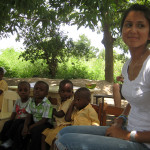
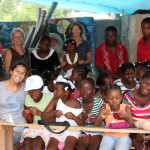
We spent several days visiting schools to talk to children, teachers, non-governmental organizations and government officials. We visited one of the largest tent camps, where nearly 20,000 people were temporarily housed in tents, and more then 40,000 squatters were waiting to join in. We also had the wonderful opportunity to sit down with the Deputy Director of the Ministry of Education, who was genuinely touched by the presence of so many foreigners and NGOs in his country to help his people.
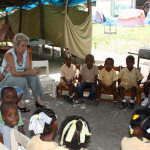
Nearly 45 percent of the population are children and are the most disoriented and vulnerable of the survivors of the earthquake. Many tens of thousands have lost their parents and their homes. Ninety percent of the schools in Port-au-Prince are damaged or destroyed. Reconstruction has not begun yet. All classes are conducted outside the damaged buildings under temporary shelters or trees.
-

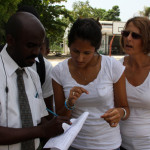
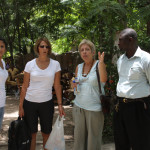
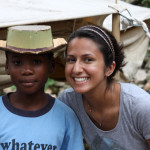
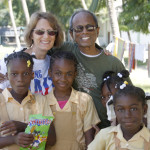
- Natascha Yogachandra with the Haiti Education Ministry official
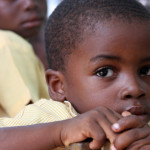
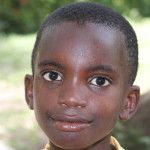
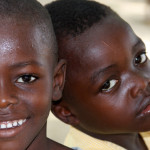
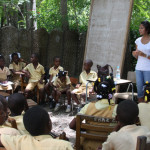
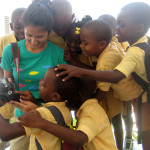
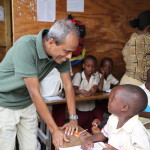
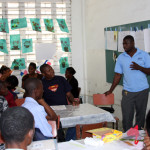
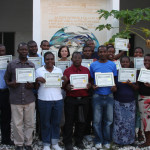
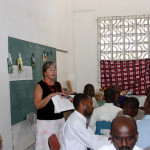
I visited several classrooms – on one day I gave talks to about ten classrooms – comforting them and inspiring them. I was also interviewed by a local radio station. During our trip, we explored several possibilities for helping the children of Haiti. Our mission was to assist in their education. We looked into several options to rebuild educational institutions. We had meetings with school authorities and non-governmental agencies, including Architecture for Humanity, to build a structure to support education for children. We have identified a few options including repairing a school, providing it with a teacher training center and support in their development of a visual arts curriculum for the school.
During the next few weeks, we will continue to work with our friends in Haiti to finalize our construction plans. A need has been identified to start a teacher training institute as we feel that the training of teachers in effective moral education in addition to academic excellence is critical in the transformation of society and the success of the community.
As they move from relief aid stage to long-term reconstruction, the government, in partnership with foreign governments and NGOs, are making plans to rebuild the city. This will take years. Foreign governments have pledged nearly 11.4 billion dollars, but the people have not seen the money yet – at least we did not see any progress in cleaning up the city or visible signs of reconstruction.
We hope that the United Nations and the government of Haiti work hard to develop some sound economic policies that address extreme poverty and deep-rooted disparities of wealth, making sure every child receives an education, and to treat everyone as members of one family. We talked to several Haitians from all walks of life, and found that the average Haitian will trust a foreign NGO much more easily than they’ll trust their own government.
* * *
Immediately after the earthquake, James Noel, a dedicated, selfless young man, did all he could to get the neighborhood children back in school, returning a sense of normalcy to their ruined lives. He started a small school in the front portion of his house and in a small shed nearby. Hope is Life Foundation has been supporting James and the school’s activities since the earthquake. James started out small, but has grown to 114 children in this neighborhood school. These children deserve a proper building, chairs and desks.
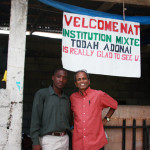
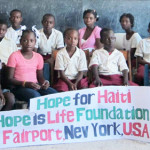
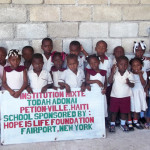
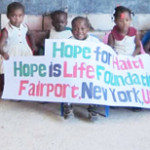
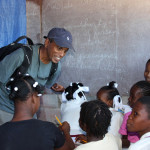
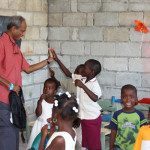
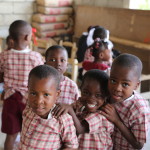
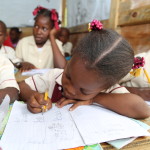
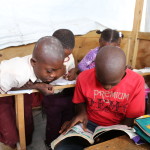
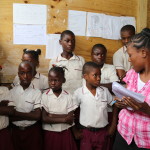
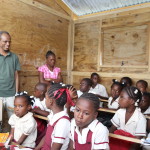
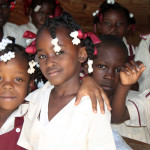
On January 25th, 2014, Nat Yogachandra traveled to Haiti to supervise the initial stages of building a school in the town of Collette, Petion Ville. Currently, three small structures in front of Mr. James Noel’s house (the owner of the school) provide classes for students in kindergarten through 4th grade. Unfortunately, these classrooms need to moved out from the current location by the end of June of 2014.
On October 13th, 2014, Hope is Life opened its newest school in Corlette in Petion Ville, Haiti. Our dear friend, Mr. Ribentrop, represented Hope is Life Foundation by cutting the ribbon. The school is now functioning under the leadership of James Jean Noel, who continued classes for the neighborhood children in his own home after the earthquake hit in 2010. For the past three years, he has been teaching in a cramped portion of his house and in a small wooden shed nearby. Hope is Life has been supporting the day-to-day operations of his school since the earthquake, and has been working on constructing a new structure for him and the few other teachers who have dedicated their time to providing an education to children in need. Nearly 120 students have now moved into this new school building. Through the empowerment of local communities, Haiti has a bright future. THANK YOU! Without your support, we wouldn’t have been able to do this. We’ll be sure to keep you all updated on the progress of the school!
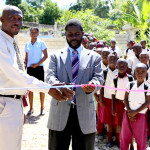
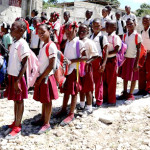
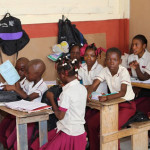
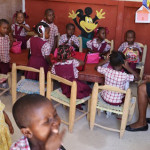
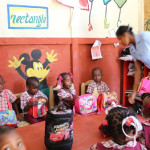
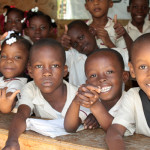
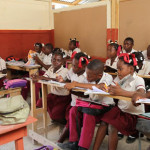
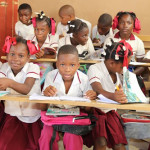
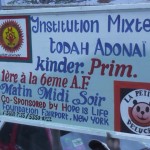
Hope is Life will continue to provide further financial support for the operations of the school.
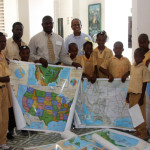
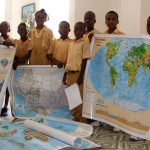
As part of our HOPE FOR HAITI, we donated maps and geographical charts to several school with the help of National Geographic Society. Also, provided educational material and toys to school children.
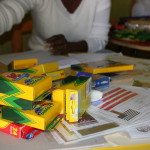
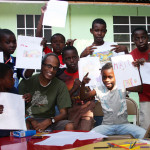
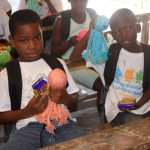
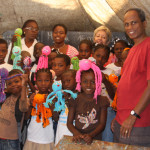
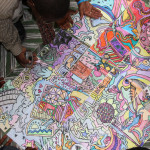
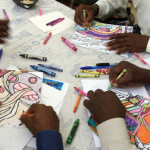
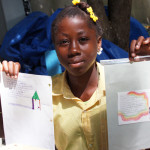
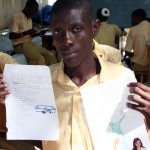
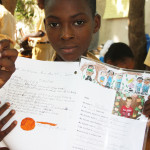
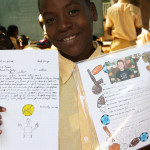
Hope is Life Foundation worked with friends in the United States in funding the kickoff of an arts curriculum, Healing through Art, for elementary students in a local school. The goal was to develop a Visual Arts Program with the hope of providing Haitian children and the community a spiritual and safe environment to emotionally grow.
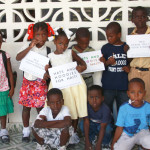
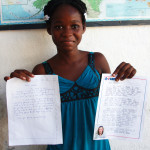
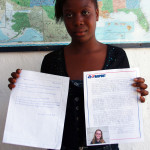
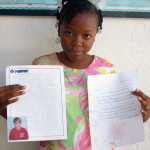
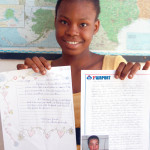
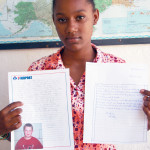
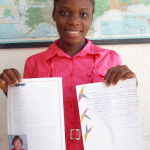
Hope is Life Foundation organized a PenPal letter exchange program with two schools in Fairport School district in New Your State and schools in Port-au-Prince, Haiti to promote goodwill and exchange of culture. The North Side School in Fairport organized a campaign, Hats and Hoodies for Haiti, to provide educational materials for Haitian children
We also have started Haiti Arts for Hope to support the funding of this school. Please visit its website to view Haitian paintings available for purchase—all of the profits will go towards our Haiti Project!
THANKS FOR ALL THE SUPPORTERS OF HOPE FOR HAITI